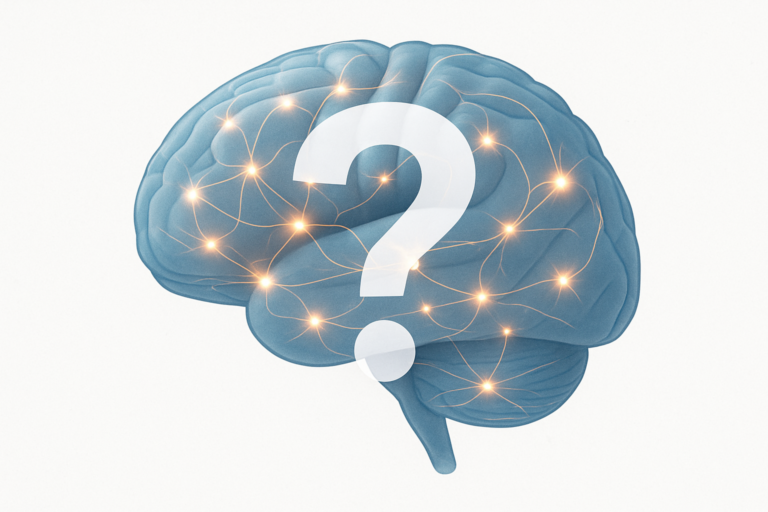
Debunking the 10% Brain Myth: What Neuroscience Really Tells Us
Explore the truth behind the popular 10% brain usage myth and discover what modern neuroscience reveals about how we truly use our brains.


Artificial intelligence is revolutionizing industries, from automating jobs to personalizing consumer experiences. But as AI grows smarter, concerns over ethics, privacy, and bias intensify. Is AI the dawn of a technological utopia or a creeping dystopian nightmare?
Businesses are embracing AI to streamline operations and cut costs, but workers fear displacement. While AI has created new jobs in emerging fields, it has also automated roles in manufacturing, customer service, and even creative industries.
| Sector | Jobs Created (millions) | Jobs Lost (millions) |
|---|---|---|
| Technology | 2.3 | 0.8 |
| Manufacturing | 0.5 | 1.6 |
| Retail | 0.7 | 1.1 |
| Healthcare | 1.4 | 0.3 |
💡 What happens when AI outpaces job creation? Should governments implement universal basic income to offset AI-driven unemployment?
AI systems are only as good as their training data, and human biases can seep in. Facial recognition software has been criticized for racial bias, and AI hiring tools have favored certain demographics. When biased AI makes decisions about creditworthiness, hiring, or policing, it reinforces social inequalities.
📊 White: 99.6%
📊 Asian: 97.8%
📊 Black: 84.9%
💡 Should there be stricter regulations and transparency in AI decision-making processes to prevent discrimination?
AI-driven data collection is a goldmine for corporations—but at what cost? Smart assistants listen, search engines track, and recommendation algorithms profile. Consumers often trade privacy for convenience, but as concerns over surveillance grow, is AI too intrusive?
🔍 Would you be willing to sacrifice convenience for greater control over your personal data?
Some argue that aggressive AI regulations will stifle innovation, while others claim unchecked AI development could lead to unintended consequences. Tech giants and governments are at odds over how much control AI should have in sensitive domains such as warfare, healthcare, and financial systems.
⚖️ Should AI development be regulated more strictly, or should innovation take priority?
AI is neither inherently good nor evil—it depends on how it’s developed and used. While it has the potential to revolutionize industries, its risks demand thoughtful oversight. How we address these challenges today will determine AI’s role in our future.
The Ethics of AI – MIT Technology Review: This is how AI bias really happens—and why it’s so hard to fixtechnologyreview.com
AI and Bias: A Growing Concern – Harvard Business Review: Ethical concerns mount as AI takes bigger decision-making rolenews.harvard.edu
See how the future of jobs is changing in the age of AI: See how the future of jobs is changing in the age of AI
Explore the truth behind the popular 10% brain usage myth and discover what modern neuroscience reveals about how we truly use our brains.
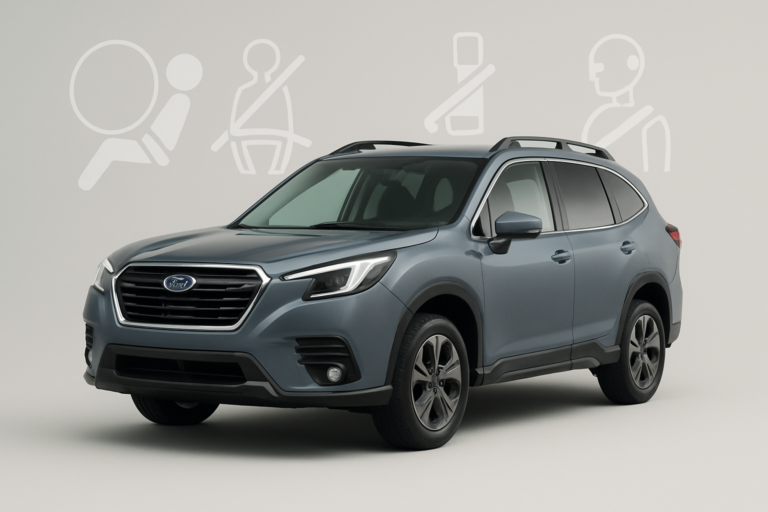
An insightful analysis exploring whether Subaru’s focus on crash safety in advertising is a strategic marketing move or a response to actual accident trends, blending marketing critique with automotive safety data.
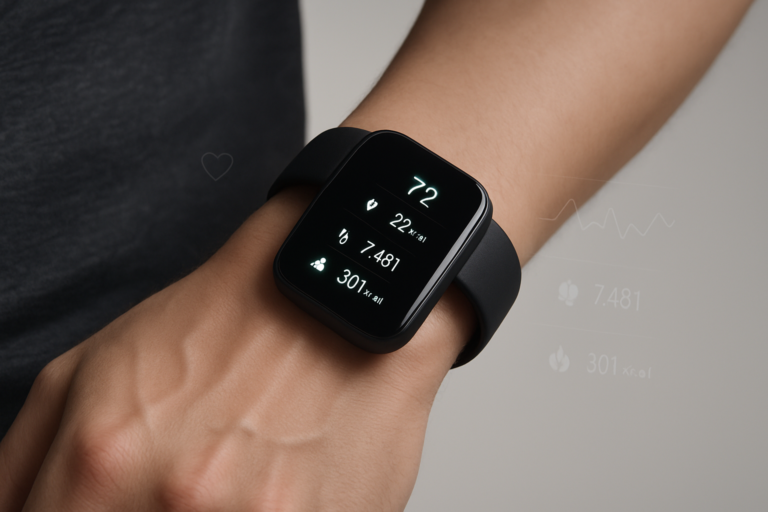
Explore the witty and critical side of fitness trackers, uncovering how these sleek devices subtly judge our behavior and reshape our self-image in the quest for wellness.