
Digital Dark Ages: The Lost Data of the Early Internet
Explore the disappearance of early internet data and its impact on cultural memory and digital preservation in the era known as the Digital Dark Ages.


If you’ve ever watched a movie where the protagonist suddenly unlocks “superhuman” powers by tapping into that elusive 10% of their brain, congratulations—you’ve been bamboozled by one of the most enduring myths in pop culture. The idea that we only use 10% of our brain is not just scientifically inaccurate; it’s downright insulting to the billions of neurons firing away every second inside your skull. Yet, this myth persists, fueling everything from motivational speeches to self-help books promising you untapped genius if you just believe hard enough or buy the right course. Let’s take a witty but no-nonsense dive into what neuroscience really tells us about brain usage—and why the 10% myth deserves to be put out to pasture.
The exact origin of the 10% myth is murky, which makes it a perfect candidate for urban legend status. Some attribute it to early 20th-century psychologists like William James, who once said humans only meet “a fraction of their mental potential,” a statement that was probably twisted over the decades. Others blame misinterpretations of neurological research or statements from motivational speakers trying to paint the brain as an untapped powerhouse.
Whatever the source, the myth boils down to this seductive idea: 90% of your brain is just sitting there collecting dust, waiting for you to unlock it and become a real-life superhero. Spoiler alert: Your brain is not a luxury apartment with rooms you never enter.
Modern brain imaging technologies like fMRI (functional Magnetic Resonance Imaging) and PET (Positron Emission Tomography) scans have given scientists a front-row seat to the brain’s daily hustle. Here’s what these tools reveal:
In other words, your brain isn’t a lazy couch potato. It’s a busy multitasker, running complex processes behind the scenes whether you’re solving a Rubik’s cube or binge-watching cat videos.
There’s a psychological allure to believing we have an untapped reservoir of genius just waiting to be unleashed. It’s comforting to think that the limits we face are mostly self-imposed, that with enough effort, we too can be the next Einstein or Oprah. This myth fits perfectly with the modern narrative of self-improvement and hustle culture, promising a shortcut to greatness.
Plus, it’s just sexy. Who wouldn’t want to believe that the brain is like a secret weapon, with 90% of its potential locked behind a cryptic password?
If you’re hoping to boost your brainpower, here’s the good news: you don’t need to “unlock” 90% of your brain because you’re already using it. Instead, neuroscience points to better strategies for maximizing your cognitive abilities:
These are the real “brain hacks” that science backs up—not some magical percentage of unused gray matter waiting to be unlocked.
While the myth might seem harmless, it can actually do more harm than good:
So next time you’re tempted by a flashy ad claiming you can “unlock your brain’s 90%,” remember that real growth comes from curiosity, persistence, and a little bit of humility about how complex our minds really are.
Explore the disappearance of early internet data and its impact on cultural memory and digital preservation in the era known as the Digital Dark Ages.
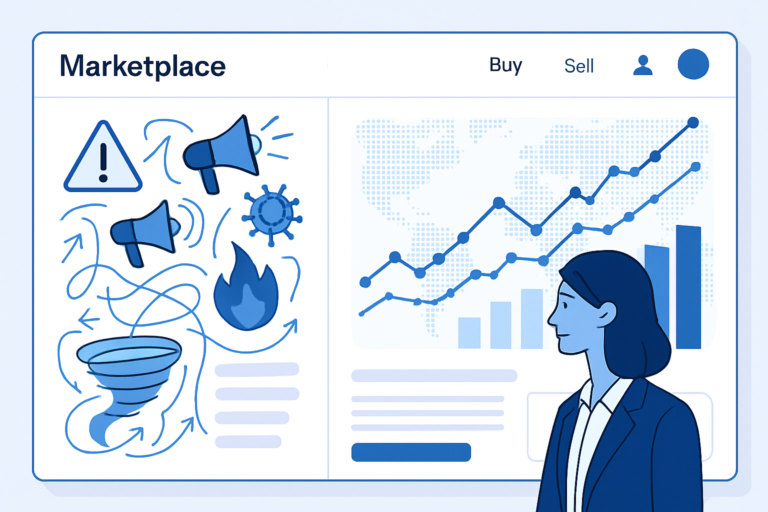
Kalshi revolutionizes finance by letting everyday people trade on the outcomes of global events, transforming uncertainty into a new asset class and democratizing predictions.

Explore the controversial Phantom Time Hypothesis that claims nearly 300 years of history, including the Middle Ages, were fabricated, challenging our understanding of historical timelines.