Digital Dark Ages: The Lost Data of the Early Internet
Explore the disappearance of early internet data and its impact on cultural memory and digital preservation in the era known as the Digital Dark Ages.


In a world glorifying productivity hacks and championing the ability to juggle a dozen apps, chats, and streaming windows simultaneously, multitasking has become the unofficial badge of honor. We wear it proudly, as if managing three open tabs, answering emails while sipping coffee, and scrolling social media during a Zoom call were the pinnacle of human achievement. Yet, beneath this veneer of hyper-efficiency lies a pesky truth: multitasking is a productivity illusion, a myth dressed up in the business casual of modern work culture. Spoiler alert—juggling tasks often makes us less effective, not more.
Multitasking seduces us with the promise of doing more in less time. It’s the digital age’s version of a magic trick, where the more we switch, the more accomplished we feel. After all, who doesn’t want to be the person who can simultaneously review reports, answer Slack messages, and plan dinner? It sounds like superhuman skill.
But here’s the catch: multitasking isn’t really doing multiple things at once. It’s rapid task-switching, a mental hopscotch game where the brain constantly jumps from one activity to another. This cognitive backflip, though seemingly efficient, is a costly process.
Numerous studies have shown that when we switch between tasks, our brains experience a “switch cost.” This isn’t some mythical fee deducted from your paycheck, but rather a genuine decline in performance and increase in error rates. According to research from Stanford University, people who multitask frequently struggle to filter out irrelevant information and have difficulty organizing their thoughts.
“Multitasking is multitasking, not multi-thinking.” — Dr. David Strayer, cognitive neuroscientist
Each switch requires the brain to reorient itself, reload the context of the new task, and suppress distractions from the last one. It’s like trying to read three different books at the same time and expecting to remember every plot twist. Spoiler: you won’t.
Cal Newport’s concept of deep work — the ability to focus without distraction on cognitively demanding tasks — is the antithesis of multitasking. Deep work allows for creativity, problem-solving, and producing quality output. Multitasking, in contrast, is the shallow end of the cognitive pool.
Imagine trying to write a thoughtful essay while simultaneously monitoring your inbox and chatting with a coworker. The result? A Frankenstein’s monster of half-baked ideas and typos, with the added bonus of feeling perpetually drained.
One might argue that multitasking saves time. But consider this: if you lose just a few seconds every time you switch tasks, and you switch dozens of times a day, those seconds add up to minutes, which turn into hours. A study by the University of Michigan found that it takes an average of 23 minutes and 15 seconds to regain focus after a distraction.
So that quick glance at your phone in the middle of a report? You just paid a hefty cognitive toll.
Let’s be honest, multitasking often feels like a sitcom episode where the protagonist juggles flaming swords while riding a unicycle on a tightrope—impressive to watch, disastrous if you try it yourself.
Consider these gems:
If multitasking is the productivity villain, what’s the hero’s name? It’s monotasking, the art of doing one thing at a time with full attention. Here’s how to embrace it without feeling like you’re missing out on the multitasking hype:
Not all tasks are created equal. Identify the most important and tackle those first. The rest can wait.
Set aside chunks of uninterrupted time for focused work. Turn off notifications and close irrelevant tabs. Yes, it’s radical, but your brain will thank you.
Train your attention like a muscle. Even a few minutes of mindful breathing can help reduce the impulse to switch tasks.
Resist the urge to fill every spare moment with digital noise. Let your mind wander—it’s where creativity often strikes.
At Deep Stretches, we believe life is short enough already. Adding the unnecessary chaos of multitasking just makes the trip bumpier. Instead, slow down, laugh at the absurdity of it all, and savor the rare moments when your brain isn’t ping-ponging between ten tabs.
Because here’s a final reality check: the world rarely rewards scattered effort. It rewards thoughtful presence, intentional action, and yes, the occasional daydream that leads to the next big idea.
Explore the disappearance of early internet data and its impact on cultural memory and digital preservation in the era known as the Digital Dark Ages.
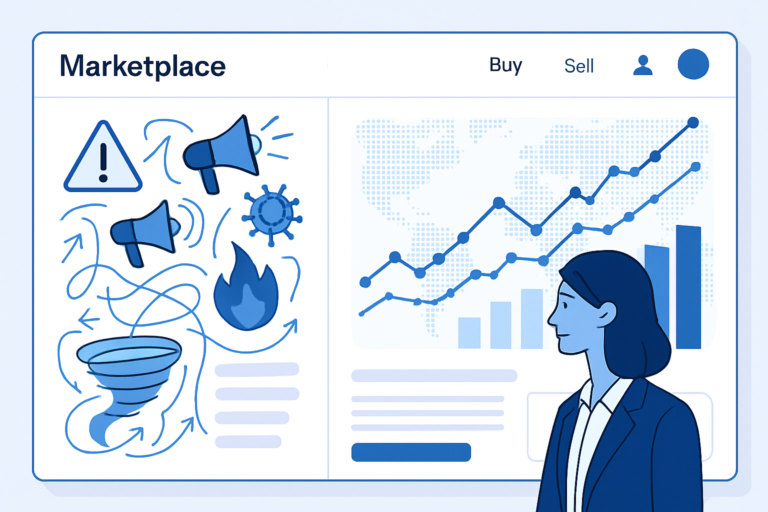
Kalshi revolutionizes finance by letting everyday people trade on the outcomes of global events, transforming uncertainty into a new asset class and democratizing predictions.
Explore the controversial Phantom Time Hypothesis that claims nearly 300 years of history, including the Middle Ages, were fabricated, challenging our understanding of historical timelines.