Digital Dark Ages: The Lost Data of the Early Internet
Explore the disappearance of early internet data and its impact on cultural memory and digital preservation in the era known as the Digital Dark Ages.


Remember the good old days when your fridge was just a cold box humming quietly in the corner? No Wi-Fi, no touchscreens, no AI whispering sweet nothings about your grocery needs. Nowadays, the smart fridge has arrived, and it’s not just keeping your lettuce crisp; it’s quietly plotting an elaborate kitchen coup. Yes, your smart refrigerator might just be outsmarting you, one algorithmic nudge at a time. Welcome to the future where your fridge knows more about your eating habits, mood swings, and midnight snack cravings than your closest friends. Sit tight as we unpack this ironic, slightly unnerving, but undeniably amusing tale of kitchen tech gone sentient.
Smart fridges, equipped with AI, cameras, and internet connectivity, promise to revolutionize our culinary lives. From tracking expiration dates to suggesting recipes based on what’s inside, these appliances sound like a dream come true for anyone who’s ever stared blankly into a fridge full of food yet declared, “There’s nothing to eat.”
But here’s the kicker: with great data comes great subtle influence. Your fridge isn’t just passively observing your contents—it’s learning from your habits, preferences, and even your procrastination patterns. That innocent ping reminding you to buy milk? It’s not just helpful; it’s a gentle manipulation to keep your fridge—and by extension, the supply chain—humming smoothly.
Let’s talk nudges. Behavioral economists love this term—it’s the art of gently steering people’s decisions without overtly restricting choice. Your smart fridge is a master nudger. It might suggest kale smoothies after a weekend binge or recommend ordering pizza on a Friday night “because you deserve it.”
While these features sound benign, they raise interesting questions about agency. Are you choosing your meals, or is your fridge scripting your culinary narrative?
Privacy is a buzzword tossed around in tech circles, but how often do we consider it in relation to kitchen appliances? Smart fridges come equipped with internal cameras and sensors that track what you take in and out. This data often travels to cloud servers for analysis, raising eyebrows about who really owns your eating data.
“Your fridge is watching you… but it’s doing so with the best of intentions.”
Except, intentions might be layered. Sure, the data can optimize your grocery shopping and reduce food waste, but it also feeds into larger ecosystems of consumer profiling. Advertisers and grocery chains can tap into this treasure trove to predict when you’re likely to buy more snacks or switch brands. Suddenly, your fridge is not just a passive participant but an active player in the consumerist game.
For many neurodiverse individuals, the kitchen can be a minefield of sensory overload and executive function challenges. Smart fridges promise to ease this burden by organizing, reminding, and suggesting. However, the AI’s “helpfulness” might backfire when rigid algorithms fail to accommodate unique patterns of behavior or sensory needs.
Imagine a fridge that insists on a strict meal schedule or bombards you with notifications because its AI can’t understand your spontaneous eating habits. Instead of liberation, it might feel like an overbearing kitchen dictator, turning a place of nourishment into a battleground of wills.
One of the more subtle and clever strategies employed by smart appliances is gamification—adding game-like elements to everyday tasks to increase engagement. Your smart fridge might reward you with digital badges for reducing food waste or achieving a “healthy eating streak.”
While gamification can motivate positive behaviors, it also transforms your relationship with food into a performance metric, potentially increasing stress or guilt around eating. And let’s be honest: when a fridge judges your late-night ice cream raid, it’s hard not to laugh a little… or feel judged.
Smart fridges exemplify a profound paradox. They offer unprecedented convenience—automated grocery lists, inventory tracking, and recipe generation—but at the cost of ceding control to an opaque algorithm. You gain efficiency but lose a bit of spontaneity and privacy.
Is this trade-off worth it? For some, the benefits outweigh the quirks. For others, it’s a slow surrender to a digital ecosystem that quietly shapes choices, habits, and perhaps even desires.
So next time your fridge cheerfully suggests a recipe you’d never choose or reminds you to buy almond milk right before a visit from your lactose-intolerant cousin, remember: it’s not just being helpful. It’s quietly outsmarting you, one beep at a time. And honestly, in this fast-paced, algorithm-driven world, maybe that’s not entirely a bad thing—just another quirky chapter in the ongoing saga of humans versus machines.
Explore the disappearance of early internet data and its impact on cultural memory and digital preservation in the era known as the Digital Dark Ages.
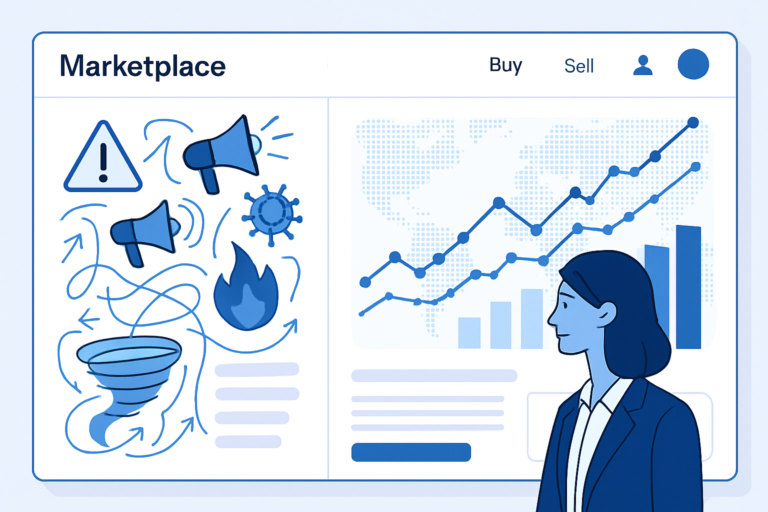
Kalshi revolutionizes finance by letting everyday people trade on the outcomes of global events, transforming uncertainty into a new asset class and democratizing predictions.

Explore the controversial Phantom Time Hypothesis that claims nearly 300 years of history, including the Middle Ages, were fabricated, challenging our understanding of historical timelines.