When the World Burns, We Reach for the Scrub Pad
It started with a missile strike.
As U.S. military operations intensified in the Strait of Hormuz, Americans did what they do best in times of geopolitical uncertainty: they panicked. But this time, it wasn’t gas lines or bread riots. It was the dish sponge aisle at Target.
Within 48 hours of the first airstrike, shelves were stripped clean. Yellow rectangles with green scrubby backs—once the unsung heroes of kitchen hygiene—became the unlikely symbol of survival. By Day Three, Fox News had declared a “Sponge Gap.” By Day Five, Etsy was flooded with listings for artisanal black market alternatives, boasting names like “Freedom Scrub” and “Terror-B-Gone.”
Welcome to SpongeWatch 2025.
The Sponge Panic: How We Got Here
In a world already stretched thin by climate disasters, supply chain breakdowns, and economic whiplash, the last thing anyone needed was a new war. But the U.S. bombing campaign against strategic Iranian infrastructure sent more than just shockwaves through global diplomacy—it hit shipping lanes hard.
While analysts pointed to oil price spikes and grain shortages, the American public zeroed in on a different threat: imported dish hygiene materials. A viral (and entirely unverified) tweet claimed that 80% of anti-microbial sponges came via tankers that passed through the Persian Gulf. That was all it took.
By the time the Department of Commerce issued a statement clarifying that most dish sponges are domestically produced, it was too late. Panic had already gone viral.
“Freedom Scrub” and the Rise of the Sponge Black Market
With store shelves empty and demand spiking, an underground sponge economy was born.
On Etsy and Instagram storefronts, enterprising sellers offered “patriotic alternatives” to the now-scarce commodity. Products like “Liberty Loofah” and “Scrubstitute” promised not only cleanliness but ideological purity. One listing read: _“Handcrafted in Wisconsin using recycled denim and American grit. No foreign fibers. No surrender.”_
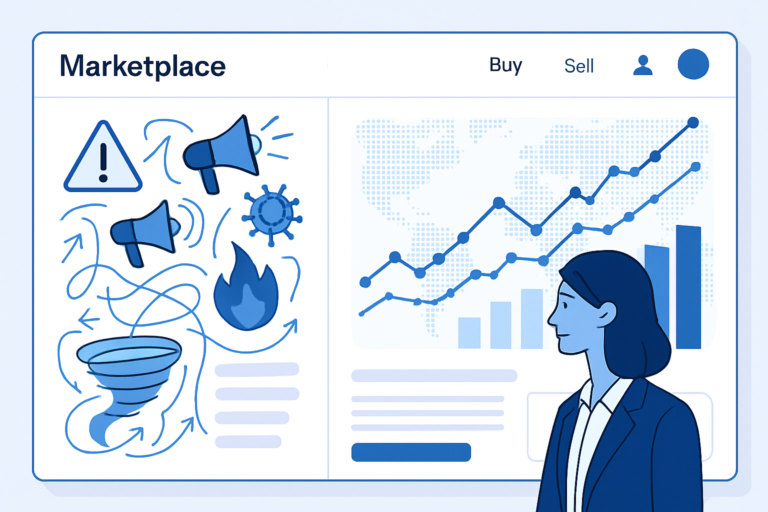
Prices soared. A 6-pack of Scotch-Brite briefly hit $120 on eBay before being pulled for violating “price gouging” policies. Facebook Marketplace became a sponge bazaar, where suburban moms traded scraps of used sponge for sourdough starter and freeze-dried eggs.
TikTok Responds: #ScrubForSurvival and the DIY Sponge Movement
On TikTok, the chaos found choreography. Under hashtags like #SpongeTok and #ScrubForSurvival, influencers shared tutorials on how to make DIY dish sponges from old socks, yoga mats, and even dried kombucha skins.
Conspiracy accounts claimed sponges were a “deep state distraction,” citing grainy footage of alleged U.S. Navy personnel unloading pallets of yellow cellulose on Guam. One viral video suggested the Pentagon was hoarding dish sponges for use as “urban camouflage.”
Others took a more spiritual approach. “The sponge,” one TikTok creator whispered in a candlelit bathroom, “absorbs the sins of the nation.”
Meanwhile, Climate Scientists Beg For Attention
As the nation hoarded cellulose, climate experts from NOAA and NASA issued urgent statements about record-breaking ocean temperatures, failing crops, and irreversible tipping points. Few noticed.
A frustrated climate researcher went viral only after angrily tweeting: “No, sponges won’t save you from ecological collapse. They’re not even biodegradable.”
That tweet was immediately converted into a reaction meme and printed on a line of ironic tote bags—sold out within hours.
The Pentagon’s Denial (and Non-Denial)
When pressed for comment on rumors that dish sponges were being repurposed by the military, a Pentagon spokesperson laughed and said, “We can neither confirm nor deny the tactical viability of antimicrobial foam under combat conditions.”
This did little to calm the public. A fringe subreddit quickly began mapping “sponge deployment zones,” using satellite images of U.S. bases and speculative math involving sponge density and absorbency radius.
Scrubbing Ourselves Clean from Reality
Underneath the absurdity lies something darker.
The sponge panic isn’t just a meme or a market anomaly. It’s a coping mechanism. Faced with the convergence of war, environmental collapse, and institutional failure, Americans are clinging to the tangible. To the clean. To the small acts that feel like control.
We hoard because we’re helpless. We scrub because we’re scared. We meme because it’s easier to laugh at a sponge shortage than cry over the collapse of geopolitics, ecosystems, and sanity itself.
But here’s the truth: The sponge isn’t the dirtiest thing in the room.
We are.
Further Reading & Resources
An authoritative breakdown of the geopolitical dynamics behind U.S.-Iran tensions.
Real-time data and analysis on climate change indicators, including ocean temperatures and atmospheric CO₂.
A comprehensive look at how global events disrupt supply chains, and why it matters.
Clarifies the myths and facts about antimicrobial household items, including sponges.