
Digital Dark Ages: The Lost Data of the Early Internet
Explore the disappearance of early internet data and its impact on cultural memory and digital preservation in the era known as the Digital Dark Ages.


It starts with a motivational quote. A colorful Instagram tile, maybe, urging you to “rise and grind” or “sleep is for the weak.” At first, it feels empowering. You’re in control. You’re optimizing your mornings, hacking your calendar, chugging coffee like it’s an Olympic sport. But soon, the line between ambition and obsession blurs. Rest becomes guilt. Stillness feels like failure. And before you know it, the cult of productivity has claimed another member.
Welcome to hustle culture—where working yourself to exhaustion is not just encouraged, it’s glorified.
In a workplace culture that equates overwork with value, burnout has become a strange kind of status symbol. We humblebrag about 80-hour weeks, treat stress as currency, and wear sleep deprivation like a medal. “Busy” isn’t just an answer to How are you?—it’s a flex.
But what’s the endgame? A LinkedIn post? A corner office? Even those come with caveats: longer hours, higher expectations, and fewer boundaries between work and life.
Somewhere along the way, rest became synonymous with laziness. Taking a break is framed as losing momentum. The toxic narrative suggests that if you’re not always producing, you’re falling behind. Even weekends are no longer sacred—turned into two-day productivity sprints filled with side hustles, networking, and self-improvement checklists.
The irony? Rest is essential for peak performance. Without it, creativity, critical thinking, and emotional balance all take a hit. But in the productivity cult, science takes a backseat to optics.
The hustle mentality treats humans like software: run faster, multitask harder, crash later. But we’re not built for constant output. Our brains need downtime to process information, solve problems, and spark innovation.
Ignoring these needs leads to diminishing returns. You might be working more, but you’re achieving less. Mistakes grow. Decision-making falters. And mental health? That’s the first casualty.
Modern work culture often uses arbitrary metrics—emails sent, hours logged, meetings attended—to gauge value. But these numbers rarely measure impact or creativity. They favor quantity over quality, speed over sustainability.
The real cost? Employees who feel disposable, creativity that dries up, and a workforce that’s too burned out to care.
Rest shouldn’t be a reward for productivity—it should be a non-negotiable. Taking time off, stepping away from screens, even doing nothing is vital for mental and physical health. We must stop treating downtime like a moral failure.
Leaders can model this by respecting boundaries, encouraging PTO use, and rejecting the glorification of overwork. Rested people do better work. Period.
It’s time to decouple success from suffering. Fulfillment doesn’t have to come at the expense of your well-being. You can be ambitious without being consumed. You can strive for excellence without sacrificing joy.
True success includes balance, presence, and the freedom to live a full life—not just a busy one.
A research-backed look at the mental and physical benefits of rest in the workplace.
A powerful article on how hustle culture affects mental health among founders and freelancers.
This article challenges the idea that burnout is a personal failure, pointing to systemic issues.
A compelling book arguing that structured rest is essential to creativity and productivity.
Explore the disappearance of early internet data and its impact on cultural memory and digital preservation in the era known as the Digital Dark Ages.
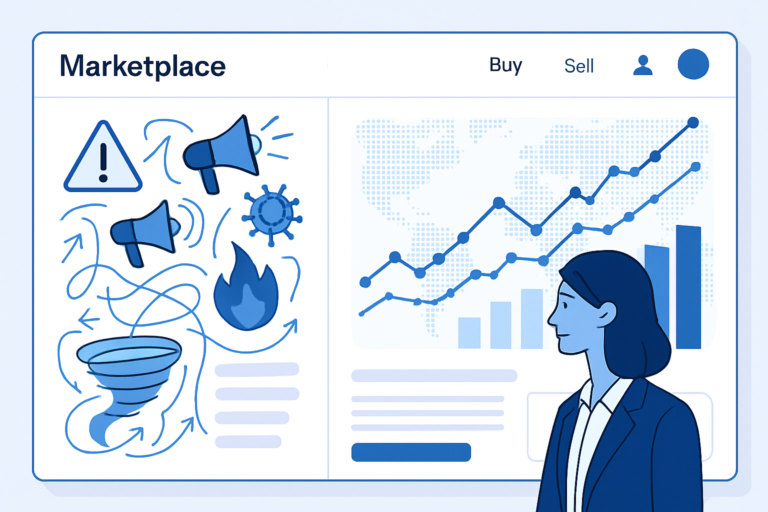
Kalshi revolutionizes finance by letting everyday people trade on the outcomes of global events, transforming uncertainty into a new asset class and democratizing predictions.

Explore the controversial Phantom Time Hypothesis that claims nearly 300 years of history, including the Middle Ages, were fabricated, challenging our understanding of historical timelines.