Digital Dark Ages: The Lost Data of the Early Internet
Explore the disappearance of early internet data and its impact on cultural memory and digital preservation in the era known as the Digital Dark Ages.


The illusion of control in a data-hungry world
In 2013, when Edward Snowden leaked the extent of government surveillance, the world was shocked. It seemed like privacy had been quietly erased while we were all posting brunch photos. Fast forward to today, and privacy is a hot commodity—people are buying VPNs, encrypted phones, and browser extensions like they’re armor in a digital war. But are we safer? Or just more optimistic?
The truth is, most of us are paying for a version of privacy that doesn’t exist. While we focus on shielding our IP addresses and blocking cookies, apps and platforms continue to harvest data in plain sight—and with our permission. So who’s really winning?
1. VPNs: A False Sense of Security?
Virtual Private Networks (VPNs) are marketed as a must-have for online anonymity. While they do encrypt your traffic and mask your IP address, they don’t stop websites or apps from tracking you through account logins, browser fingerprinting, or persistent cookies. Worse, some VPN providers log your activity or sell your data—exactly what you’re trying to avoid.
2. Encrypted Phones: Secure, but Not Immune
Devices like the Librem 5 or the now-defunct Silent Circle phone promise enhanced privacy. They come with security-focused operating systems and privacy-respecting apps. But once you install mainstream apps like Instagram, Gmail, or TikTok, you’re back in the data dragnet. The phone may be secure, but the apps are not.
3. Privacy Apps: Pick Your Poison
Privacy-focused browsers, encrypted messengers, and ad blockers can help. But they can’t stop a determined data miner. Most apps collect metadata—who you messaged, when, how long—and that’s often more revealing than content. Even something as simple as a weather app can request your location 24/7.
1. Minimize, Don’t Just Mask
Instead of relying solely on privacy tools, reduce your digital footprint. Delete unused accounts. Revoke unnecessary app permissions. Don’t sign in with Google or Facebook across the web.
2. Opt for Open Source and Decentralized Tools
Apps like Signal (messaging), Firefox (browsing), and ProtonMail (email) don’t just promise privacy—they show their code. That means the community can verify their claims. Decentralized platforms like Mastodon offer social networking minus the surveillance.
3. Get Comfortable with Saying No
Say no to unnecessary data collection. If an app requests location access for no good reason, deny it. If a site wants to track you “for a better experience,” choose the basic version.
4. Educate Yourself, Regularly
Privacy isn’t a one-time setup. It’s a moving target. Stay informed about new threats and tools. Following organizations like the Electronic Frontier Foundation (EFF) or PrivacyTools.io can help you stay ahead.
We often trade data for convenience—route suggestions, personalized ads, social validation. Privacy isn’t just lost to corporations; we give it away. And then we buy it back in the form of tools that barely scratch the surface.
Until we stop treating privacy like a subscription service, we’ll keep playing whack-a-mole with data leaks and breaches. Real protection comes from behavior, not just software.
A comprehensive guide to protecting yourself from digital surveillance.
https://foundation.mozilla.org/en/privacynotincluded
Reviews privacy practices for common devices and apps.
A curated list of secure tools and best practices for digital privacy.
An interactive guide to reducing your data footprint.
In an age where data is currency, buying privacy is like buying bottled air. It might help a little—but the polluted system stays the same.
Explore the disappearance of early internet data and its impact on cultural memory and digital preservation in the era known as the Digital Dark Ages.
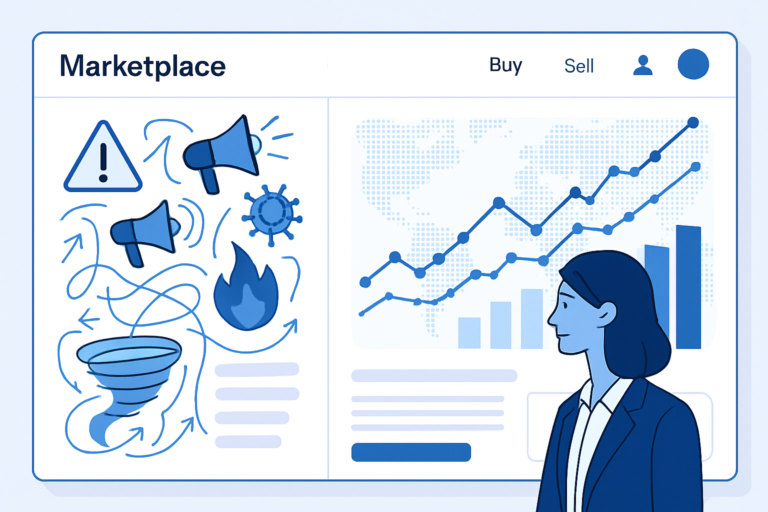
Kalshi revolutionizes finance by letting everyday people trade on the outcomes of global events, transforming uncertainty into a new asset class and democratizing predictions.

Explore the controversial Phantom Time Hypothesis that claims nearly 300 years of history, including the Middle Ages, were fabricated, challenging our understanding of historical timelines.