Digital Dark Ages: The Lost Data of the Early Internet
Explore the disappearance of early internet data and its impact on cultural memory and digital preservation in the era known as the Digital Dark Ages.


In the grand theater of wellness trends, the digital detox has taken center stage with all the pomp and circumstance of a Broadway opening night. The narrative is seductive: unplug your devices, reclaim your time, and bask in the bliss of a screen-free existence. But, dear reader, before you toss your smartphone into the nearest river or swear off Wi-Fi like it’s a bad ex, let’s press pause and consider the backstage reality. Digital detox isn’t the universal panacea it’s cracked up to be; it’s a luxury reserved for those who can afford to escape the digital grind. For many, unplugging isn’t a mindful choice but a privilege masked as self-care.
The concept is simple and appealing: Step away from your devices, reduce stress, improve sleep, and reconnect with the analog world. Wellness influencers, tech gurus, and magazine covers trumpet digital detoxes as the cure for modern malaise, encouraging us to reclaim “real life” from the clutches of endless scrolling and notification pings.
And sure, it sounds wonderful in theory. Who doesn’t want to sip a chamomile tea, gaze at a sunset sans Instagram, or actually hear the birds instead of the buzz of a group chat? But this idyllic scenario often glosses over a crucial truth: not everyone has the social, economic, or cultural bandwidth to simply unplug.
Let’s be clear: the ability to disconnect from technology is heavily influenced by socioeconomic status, job type, and access to resources. Digital detox campaigns often target middle- and upper-class urbanites who have the luxury of choice—people with stable jobs, paid time off, and the financial cushion to indulge in wellness retreats or simply ignore work emails without consequence.
If you work in a sector where your phone is your lifeline—think gig economy workers, customer service reps, freelancers hustling multiple jobs, or anyone in precarious employment—disconnecting isn’t just inconvenient; it’s dangerous. Your livelihood depends on staying reachable, responding promptly, and managing digital communication around the clock. No digital detox for you. A missed call or email isn’t a moment of mindfulness; it’s potential lost income and job insecurity.
Beyond the workplace, digital devices are not mere distractions; they are tools of survival and connection. For many low-income families, smartphones are the primary or sole internet access point, gateways to critical services like healthcare, education, and social support networks. How does one “detox” when the device is essential for paying bills, applying for jobs, or attending virtual school?
Moreover, the cultural narrative of unplugging often assumes a safe, quiet, and stable environment—a home where one can retreat without stress or interruption. This assumption excludes those facing housing instability, caregiving burdens, or unsafe neighborhoods where digital devices provide both connection and security.
The wellness industry has a habit of packaging self-care as a one-size-fits-all solution, conveniently ignoring the structural inequalities that shape our realities. Digital detox fits neatly into this pattern, marketed as a trendy fix for the anxiety of modern life while sidestepping the systemic issues that drive digital dependence.
Let’s call it what it is: a product of privilege, often sold alongside overpriced retreats, apps promising “mindful breaks,” and curated Instagram feeds of blissful solitude. The message is clear—if you’re stressed, it’s because you need to unplug, not because of exploitative labor practices, economic precarity, or the erosion of public infrastructure that forces digital reliance.
“Digital detox is less about healing and more about selling the illusion of control to those who already have it.”
Instead of framing digital detox as a moral imperative or wellness badge, we might do better to rethink how technology integrates into diverse lives. For some, tech is a tool of empowerment and community rather than a source of stress. For others, it’s an unavoidable tether to economic necessity.
Rather than unplugging, how about advocating for better labor protections that don’t demand 24/7 availability? Or pushing for affordable, equitable internet access that doesn’t force people into digital precarity? These systemic changes would address the root causes of digital overwhelm far more effectively than a weekend without screens.
So next time you see a gleaming ad promising salvation through a weekend without screens, remember: unplugging isn’t a universal good, it’s a stage set for the fortunate. For the rest of us, the challenge is not to escape technology but to reshape the systems that make digital overwhelm inevitable. Because life is short—and sometimes, you’ve got to laugh while scrolling through the madness.
Explore the disappearance of early internet data and its impact on cultural memory and digital preservation in the era known as the Digital Dark Ages.
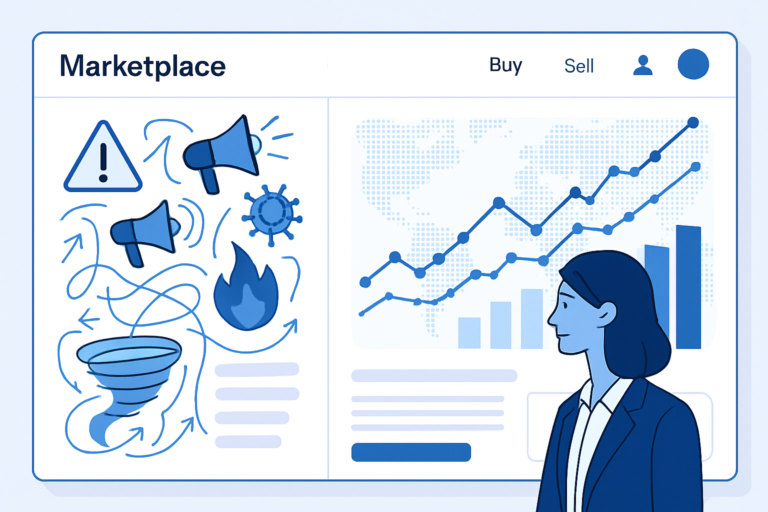
Kalshi revolutionizes finance by letting everyday people trade on the outcomes of global events, transforming uncertainty into a new asset class and democratizing predictions.

Explore the controversial Phantom Time Hypothesis that claims nearly 300 years of history, including the Middle Ages, were fabricated, challenging our understanding of historical timelines.