Digital Dark Ages: The Lost Data of the Early Internet
Explore the disappearance of early internet data and its impact on cultural memory and digital preservation in the era known as the Digital Dark Ages.


Picture this: you wake up groggy, stumble to the kitchen, and take that first sip of coffee. Almost instantly, your mind sharpens, and you feel more awake. But how does this transformation happen? The answer lies in caffeine, coffee’s natural stimulant.
Caffeine works by blocking adenosine, a neurotransmitter responsible for making you feel sleepy. Throughout the day, adenosine levels build up, signaling to your brain that it’s time to rest. When you drink coffee, caffeine prevents adenosine from binding to its receptors, keeping you alert instead of drowsy.
Beyond keeping you awake, caffeine enhances cognitive function by:
These effects explain why coffee is a go-to for students, professionals, and athletes needing an edge.
Numerous studies support coffee’s energizing benefits:
| Effect | Benefit |
|---|---|
| Blocks adenosine | Reduces fatigue, increases alertness |
| Boosts dopamine | Enhances mood and motivation |
| Releases adrenaline | Provides a temporary energy boost |
| Improves reaction time | Increases focus and cognitive function |
| Enhances endurance | Supports athletic performance |
While coffee has benefits, excessive caffeine can lead to jitters, rapid heart rate, and sleep disturbances. The FDA recommends limiting intake to 400 mg per day (about four 8-ounce cups of coffee) to avoid negative effects.
To maximize benefits while minimizing downsides:
Caffeine provides a quick energy boost, but long-term energy management requires a balanced diet, hydration, and quality sleep. Using coffee wisely—rather than depending on it—helps sustain energy without crashes.
Coffee is more than just a morning habit—it’s a scientifically backed way to boost energy and focus. By understanding how caffeine interacts with your brain, you can enjoy your cup more mindfully and make better choices about your caffeine intake.
Explore the disappearance of early internet data and its impact on cultural memory and digital preservation in the era known as the Digital Dark Ages.
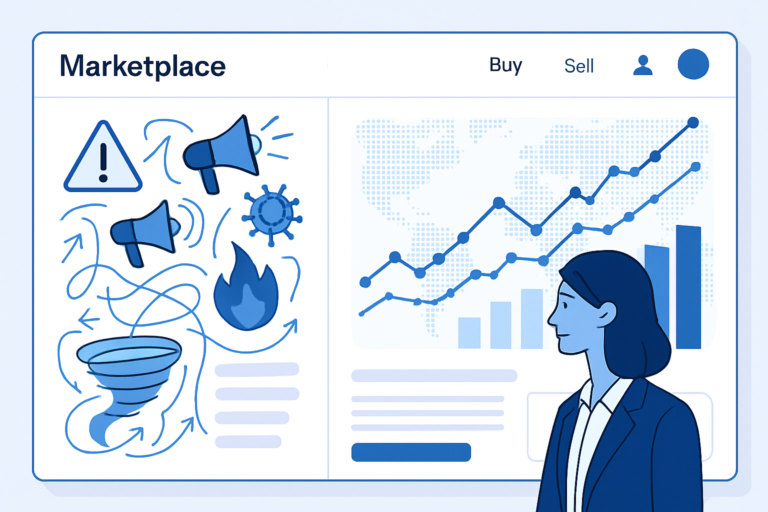
Kalshi revolutionizes finance by letting everyday people trade on the outcomes of global events, transforming uncertainty into a new asset class and democratizing predictions.

Explore the controversial Phantom Time Hypothesis that claims nearly 300 years of history, including the Middle Ages, were fabricated, challenging our understanding of historical timelines.