
Digital Dark Ages: The Lost Data of the Early Internet
Explore the disappearance of early internet data and its impact on cultural memory and digital preservation in the era known as the Digital Dark Ages.


It starts with a billboard. A couple laughs over coffee. A child opens a toy with wide-eyed glee. A woman, radiant and wrinkle-free, smiles into the lens of a skincare ad. We see these images and feel a subtle pull — not just to buy the product, but to buy into the life it promises.
This isn’t just advertising. It’s a psychological loop finely tuned to exploit human desire. In the Prozac Economy, happiness is no longer a feeling — it’s a product. And like any product, it’s sold, bought, and consumed. The catch? It never really satisfies.
Endless Desire as Currency
Modern marketing doesn’t sell items — it sells emotion. Products are framed not as tools, but as gateways to a better, more fulfilled version of yourself. The message is clear: without this phone, this car, this vacation, you’re incomplete.
Consumer culture thrives on this gap — the space between who you are and who you think you should be. But the finish line always moves. Once you buy one happiness package, another appears. That’s not by accident.
The Dopamine Economy
Every purchase triggers a brief neurochemical high — the dopamine hit of novelty and reward. But the satisfaction fades. The mind adapts, the baseline resets, and you’re back at zero, shopping cart in hand.
This cycle mirrors the logic of addiction: short-term pleasure, long-term emptiness. The economy profits from this loop. The more you buy trying to feel better, the more the system wins.
The Weaponization of Insecurity
Ever notice how ads rarely address your needs — but always your insecurities? Whether it’s your body, your status, your relationships, or your success, marketers know that dissatisfaction drives action.
Social media amplifies this effect. Influencers craft curated lives full of staged bliss. Every scroll becomes a silent comparison — and a subtle reminder that you’re not enough. Unless, of course, you buy what they’re selling.
The Myth of Self-Care Consumerism
Even wellness culture has been commodified. Self-care — once a concept rooted in rest and resilience — now often means candles, creams, and $200 yoga pants. Inner peace is rebranded as an aesthetic, and mental health becomes another market vertical.
This isn’t about helping people feel better. It’s about monetizing their struggle.
A Market Built on Malaise
Here’s the irony: the system that sells you happiness also sells the cure for its own side effects. Feeling anxious? There’s an app for that. Depressed? Here’s a subscription box. Burned out? A wellness retreat awaits.
Mental health is becoming commercialized to the point where even our breakdowns are profitable. We’re pacified, not healed. Numbed, not nourished.
Pharmaceutical Profits and Digital Band-Aids
The rise in antidepressant prescriptions, meditation apps, and productivity hacks reflects a deeper crisis: we’re not thriving. We’re coping. And the system prefers it that way — because a content population doesn’t consume at the same rate.
The Prozac Economy doesn’t want you well. It wants you functional — just enough to work, spend, and repeat.
Reclaiming Meaning Beyond Consumption
True contentment doesn’t live in your Amazon cart. It’s found in connection, purpose, and presence — the very things that can’t be bought. Recognizing the trap is the first step to breaking free from it.
Redefining Success and Well-Being
We need new metrics. Not just salary and square footage, but joy, time, and emotional safety. The shift won’t come from corporations or ad agencies — it must come from us, valuing what can’t be monetized.
Explores how consumerism affects mental health and long-term happiness.
A deep analysis of how governments and corporations profit from emotional surveillance.
A behind-the-scenes look at how stores manipulate consumer behavior.
Offers strategies to reclaim your attention and emotional well-being in the age of constant stimulation.
Final Thought:
In a world that sells happiness like a subscription, real joy becomes an act of quiet rebellion. Let’s unsubscribe.
Explore the disappearance of early internet data and its impact on cultural memory and digital preservation in the era known as the Digital Dark Ages.
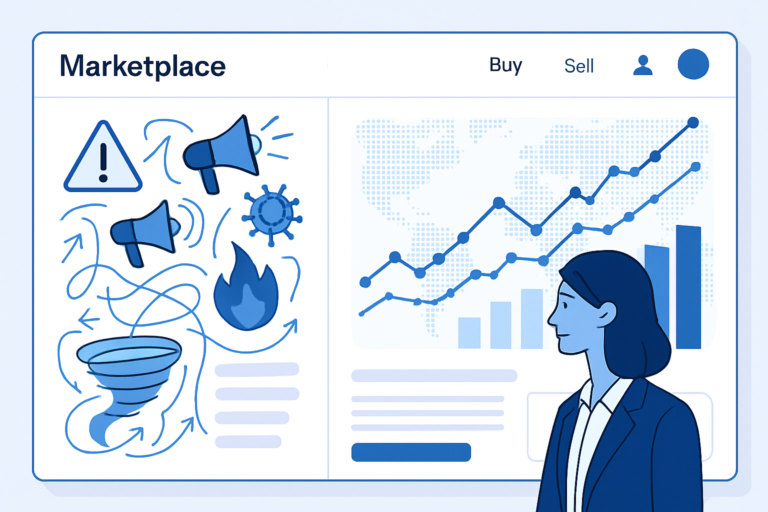
Kalshi revolutionizes finance by letting everyday people trade on the outcomes of global events, transforming uncertainty into a new asset class and democratizing predictions.

Explore the controversial Phantom Time Hypothesis that claims nearly 300 years of history, including the Middle Ages, were fabricated, challenging our understanding of historical timelines.