
Digital Dark Ages: The Lost Data of the Early Internet
Explore the disappearance of early internet data and its impact on cultural memory and digital preservation in the era known as the Digital Dark Ages.


On a humid night in ancient China over two thousand years ago, someone tossed a handful of bamboo into a fire. The loud pop that followed startled onlookers—but it sparked more than just a noise. That crackling bamboo would become the ancestor of modern fireworks, now a global symbol of celebration and spectacle.
From emperors to backyard barbecues, fireworks have journeyed through time and across continents, always carrying the same mission: to dazzle the senses. But how did we go from burning bamboo to choreographed sky displays? And what actually makes them go boom? Let’s light the fuse and find out.
The earliest known fireworks date back to 200 B.C. in China, where green bamboo stalks thrown into fire would explode due to trapped air pockets. By the 9th century, Chinese alchemists searching for immortality mixed saltpeter, sulfur, and charcoal—accidentally inventing gunpowder. When this mixture was packed into bamboo tubes, the first true firecrackers were born.
Through trade routes like the Silk Road, gunpowder and fireworks spread to the Middle East and Europe. By the 13th century, they had arrived in Italy, where artisans began experimenting with color and form. This is where fireworks transitioned from military use to entertainment.
By the Renaissance, fireworks had become a fixture at royal events across Europe. Catherine de’ Medici brought them to France. England’s Guy Fawkes Night in 1605 marked one of the earliest public firework displays. In the U.S., fireworks lit the skies during the first Fourth of July celebration in 1777—and they haven’t stopped since.
Every firework is essentially a controlled explosion. It consists of:
– Shell casing: Usually paper or plastic, holding everything together.
– Lift charge: Propels the firework into the air.
– Burst charge: The core explosion that ignites all effects.
– Stars: Pellets containing metal salts and fuel that create colors and patterns.
– Fuse system: Controls timing between launch and explosion.
Fireworks get their vivid colors from metal salts:
– Red: Strontium salts
– Blue: Copper compounds
– Green: Barium compounds
– Yellow: Sodium compounds
– White: Aluminum or magnesium
By carefully arranging the “stars” and timing the bursts, designers can shape explosions into rings, hearts, or smiley faces.
The whistles, booms, and cracks are also engineered. Aluminum flakes create loud blasts. Titanium chips make crackling sounds. Whistle mixes are tightly packed to produce high-frequency noise.
– Keep your distance: Stay at least 500 feet from the launch site.
– Protect your ears: Use earplugs, especially for children and pets.
– Be alert: Keep an eye on wind direction and weather conditions.
– Check local laws: Not all fireworks are legal everywhere.
– Use a flat, stable surface: Always launch from a clear, level area.
– Have water nearby: A hose or bucket can quickly stop an accidental fire.
– Never relight duds: Wait 20 minutes, then soak in water.
– No alcohol while handling fireworks: Impairment increases risk.
Fireworks can stress animals. Keep pets indoors, close windows, and use calming music or white noise. Alert neighbors with sensitive pets or livestock ahead of time.
Fireworks are more than just pretty lights—they’re a blend of chemistry, culture, and caution. From bamboo explosions in ancient China to synchronized pyrotechnics at global festivals, they’ve always been about spectacle. But with every burst of beauty comes a responsibility to handle these fiery wonders with care.
Explore the disappearance of early internet data and its impact on cultural memory and digital preservation in the era known as the Digital Dark Ages.

Kalshi revolutionizes finance by letting everyday people trade on the outcomes of global events, transforming uncertainty into a new asset class and democratizing predictions.
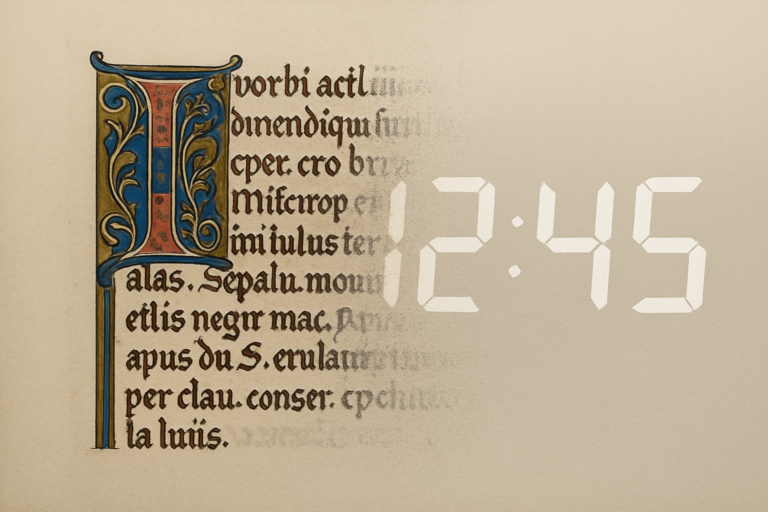
Explore the controversial Phantom Time Hypothesis that claims nearly 300 years of history, including the Middle Ages, were fabricated, challenging our understanding of historical timelines.