
Digital Dark Ages: The Lost Data of the Early Internet
Explore the disappearance of early internet data and its impact on cultural memory and digital preservation in the era known as the Digital Dark Ages.


How a Pill Taken by Millions is Quietly Reshaping Our Environment – and Our Bodies
In the 1960s, the birth control pill revolutionized reproductive health. It gave women unprecedented control over their fertility, helped balance hormones, and became a symbol of liberation and progress. But as this pharmaceutical marvel integrated into daily life, something unintended began to unfold. Decades later, science is revealing that the effects of birth control may go far beyond the individual taking it—seeping into ecosystems, food chains, and even the hormonal makeup of unsuspecting populations.
Today, researchers are uncovering the subtle but measurable presence of synthetic hormones in our water supply, our produce, and in some alarming cases, the bodies of young males. The question is no longer whether these traces exist, but what they’re doing to us over time.
Every time someone flushes a toilet, trace amounts of pharmaceuticals—including synthetic estrogens like ethinylestradiol from birth control—enter sewage systems. While wastewater treatment plants are effective at removing many contaminants, they’re not equipped to fully filter out all hormone residues.
Key Findings:
Hormonal contamination doesn’t stop at the faucet. Water used for agricultural irrigation can carry these residual estrogens into the soil and onto crops.
What the Research Shows:
Perhaps the most unsettling implication of environmental estrogen exposure is its potential impact on male reproductive health—especially during critical developmental windows.
Emerging Concerns:
The cumulative exposure to synthetic estrogen isn’t just a public health issue—it’s a generational one. Children are particularly vulnerable, and the rise in endocrine-related disorders such as early puberty, reduced sperm counts, and testicular dysgenesis syndrome may all be part of a much larger, chemically-influenced pattern.
While individual exposure may seem negligible, the cocktail effect—where multiple low-level exposures add up—could have long-term biological consequences we’re only just beginning to understand.
Addressing the trickle-down effect of birth control isn’t about vilifying contraceptive use. It’s about rethinking pharmaceutical waste and improving the systems that manage it.
Potential Solutions:
An overview of how pharmaceuticals, including hormones, enter and persist in the environment.
FDA guidelines for disposing of medications to reduce environmental contamination.
Search for your local water supply and see what contaminants—including hormones—may be present.
Detailed study on the decline in sperm counts and its potential causes.
Note: This article is for informational purposes only and does not substitute for professional medical or environmental advice.
Explore the disappearance of early internet data and its impact on cultural memory and digital preservation in the era known as the Digital Dark Ages.
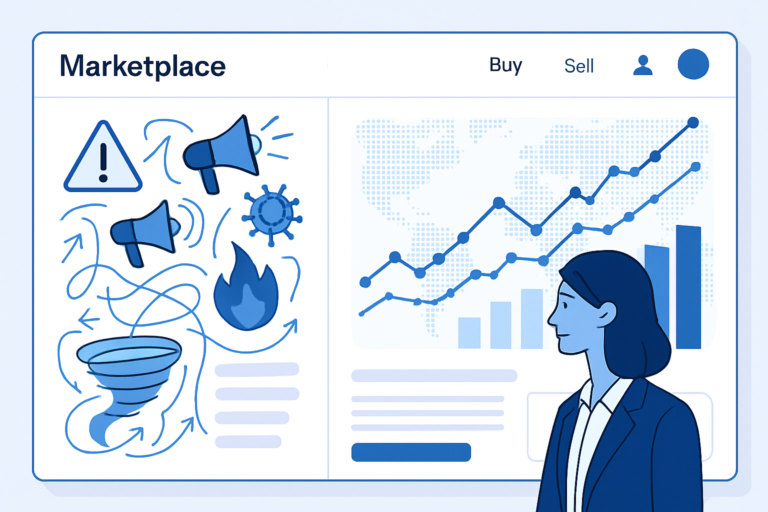
Kalshi revolutionizes finance by letting everyday people trade on the outcomes of global events, transforming uncertainty into a new asset class and democratizing predictions.

Explore the controversial Phantom Time Hypothesis that claims nearly 300 years of history, including the Middle Ages, were fabricated, challenging our understanding of historical timelines.