Digital Dark Ages: The Lost Data of the Early Internet
Explore the disappearance of early internet data and its impact on cultural memory and digital preservation in the era known as the Digital Dark Ages.


Welcome to the brave new world of AI Surveillance Capitalism 2.0, where the algorithms aren’t just watching you—they’re predicting you, nudging you, and yes, sometimes outright bossing you around. But don’t worry, it’s all in the name of “personalization.” Because nothing says “freedom” quite like a digital puppeteer pulling the strings behind your perfectly curated Instagram feed and that eerily relevant playlist you never asked for. As these AI-driven systems evolve from reactive data collectors to proactive behavioral architects, we find ourselves at a peculiar crossroads: where does convenient personalization end and stealthy oppression begin?
Surveillance capitalism, a term coined by Shoshana Zuboff, described the first wave of monetizing personal data through targeted ads and behavior tracking. It was the era where your clicks, likes, and swipes became the new oil fueling an ever-hungry advertising machine. But the game has changed. Enter AI Surveillance Capitalism 2.0: a more insidious, intelligent, and — dare we say — audacious evolution.
Today’s AI systems don’t just collect your data—they analyze it to predict your next move, your next impulse buy, or even your next emotional meltdown. They learn your habits, your vulnerabilities, and your desires so well that they can preemptively shape your behavior. This is not mere observation; it’s behavioral engineering masquerading as helpful customization.
The old-school model was reactive: show ads based on past behavior. The new AI-driven platforms are proactive: anticipate your needs before you even know you have them. Spotify’s Discover Weekly, Netflix’s autoplay, Amazon’s “frequently bought together” — these features feel like magic until you realize they’re finely tuned levers designed to keep you locked in, spending more time and money.
Sure, it’s convenient when your streaming service knows your vibe better than your best friend. But convenience has a dark side. The more AI predicts and prescribes your behavior, the less agency you have. Your digital self becomes a product optimized for engagement and profit, not a person with free will.
One of the sneakiest tricks of AI Surveillance Capitalism 2.0 is its ability to make manipulation feel like choice. When you’re given a seemingly endless buffet of “personalized” options, it feels like empowerment. But in reality, these options are carefully curated to guide you toward outcomes that benefit the platform’s bottom line.
“Freedom is just another data point to optimize.” — Anonymous Algorithm
Consider social media timelines that prioritize outrage and sensationalism because they keep you scrolling longer, or e-commerce platforms that push “limited-time deals” tailored to your spending habits. The illusion of liberty masks an architecture of control designed to harvest more attention and money.
We used to fret about data breaches and unauthorized tracking, but now the frontier is predictive consent: users unknowingly agreeing to behavioral nudges baked into AI’s decision-making. Terms of service have become labyrinthine rituals of assent, where consenting to “personalized experiences” is the price of admission to digital life.
Meanwhile, the ethical frameworks governing these systems lag behind. How do you regulate a technology that anticipates your behavior and adapts in real time? What does informed consent even mean when algorithms evolve faster than legal oversight?
The implications of AI Surveillance Capitalism 2.0 ripple far beyond our personal screens. When behavioral control is outsourced to opaque algorithms, democracy itself faces new threats.
In short, AI Surveillance Capitalism 2.0 is not just about selling you more stuff or keeping you glued to your screen—it’s about shaping the very fabric of social interaction and civic life. And it’s doing so behind a veil of “personalized convenience.”
So, next time your favorite app seems to read your mind, remember: that psychic insight might just be the product of a highly profitable, deeply calculating system designed to keep you predictably in line. It’s like living in a digital funhouse mirror—distorted, controlled, and yet strangely familiar. Life is short, so maybe laugh at the absurdity, keep your wits about you, and enjoy the trip while you can.
Explore the disappearance of early internet data and its impact on cultural memory and digital preservation in the era known as the Digital Dark Ages.
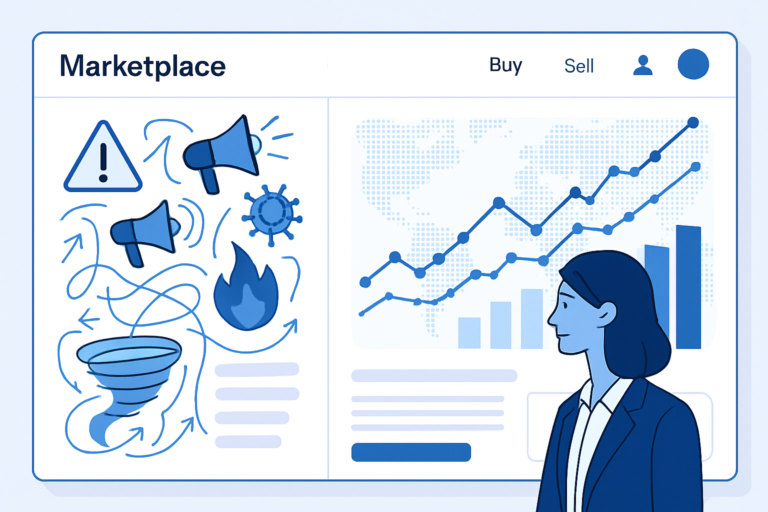
Kalshi revolutionizes finance by letting everyday people trade on the outcomes of global events, transforming uncertainty into a new asset class and democratizing predictions.

Explore the controversial Phantom Time Hypothesis that claims nearly 300 years of history, including the Middle Ages, were fabricated, challenging our understanding of historical timelines.