
Digital Dark Ages: The Lost Data of the Early Internet
Explore the disappearance of early internet data and its impact on cultural memory and digital preservation in the era known as the Digital Dark Ages.


It starts with a quote on a coffee mug. “You have the same 24 hours as Beyoncé.” You chuckle, take a sip, and open your laptop at 5:15 a.m. while the world sleeps. Somewhere between your third Zoom call and your cold lunch, you wonder if you’re doing enough. Should you be working harder? Sleeping less? Maybe a new productivity app will fix it.
But what if the problem isn’t you?
Hustle culture—glamorized by influencers, CEOs, and motivational memes—isn’t about personal growth or success. It’s a slick rebranding of the same old capitalist script: work more, rest less, and measure your self-worth by your output. Peel back the hoodie, and you’ll find it’s not ambition—it’s exploitation.
We’re sold the idea that grinding 80 hours a week is the fast track to wealth and freedom. Wake up early, skip weekends, monetize your hobbies, and you’ll “make it.” But here’s the truth: the system is designed to reward a select few while the rest burn out trying.
Billionaires and corporate leaders love hustle culture. Why? Because it creates a workforce that self-imposes overtime, resists rest, and praises overachievement as virtue. If everyone believes overwork is noble, then no one questions why they’re not being paid for it.
Who benefits? Not the intern working unpaid hours to “prove” themselves. Not the gig worker juggling five side hustles with no health insurance. The real winners are the ones who profit from your exhaustion.
In hustle culture, rest is for the weak and sleep is optional. A full calendar is a badge of honor. The line between your job and your identity blurs—until they’re the same thing.
But constant productivity isn’t sustainable. Studies show chronic overwork leads to burnout, anxiety, and even physical illness. Still, hustle influencers frame it as a lifestyle choice, not a systemic issue. You’re not tired because you’re being exploited—you’re tired because you’re not optimizing your time.
This mindset keeps people from pushing back. If burnout is just a personal failure, then the system gets a free pass.
Hustle culture pretends to be a meritocracy, but it ignores structural inequality. Not everyone starts from the same place. Telling someone to “hustle harder” when they’re already working two jobs to survive isn’t motivation—it’s cruelty.
Meanwhile, those born into wealth can afford to take risks, start businesses, and “grind” with a safety net. Their success stories become the templates we’re told to follow, without acknowledging the privileges that made them possible.
It’s not just unrealistic—it’s dishonest.
Capitalism has always relied on maximizing labor at minimal cost. Hustle culture is just its modern facelift. It shifted the narrative from “the boss wants you to work harder” to “you should want to work harder for yourself.” It’s not about building your dreams—it’s about making you complicit in your own exploitation.
And in a world where remote work, side gigs, and personal branding are the norm, the lines between work and life have all but disappeared. You’re always on. Always available. Always performing. And always tired.
True success shouldn’t require sacrificing your health, relationships, or peace of mind. It should involve fair pay, reasonable hours, and time for rest and creativity. It’s not about doing more—it’s about doing better.
Reclaiming your time, setting boundaries, and refusing to equate worth with productivity is not laziness—it’s resistance. Questioning hustle culture isn’t failure—it’s freedom.
Because if the system only works when you’re overworked, underpaid, and endlessly grinding, maybe the system is broken—not you.
Explores how work has become a modern-day religion and why it’s leading to widespread dissatisfaction.
Breaks down the data on how overworking leads to lower productivity and higher turnover.
A critical analysis of hustle culture’s roots in capitalist ideology and how it exploits workers.
Discusses why burnout is often overlooked and how to recognize it as a systemic issue.
Remember: You’re not lazy for wanting balance. You’re just waking up—ironically, not at 5 a.m.—to the truth.
Explore the disappearance of early internet data and its impact on cultural memory and digital preservation in the era known as the Digital Dark Ages.
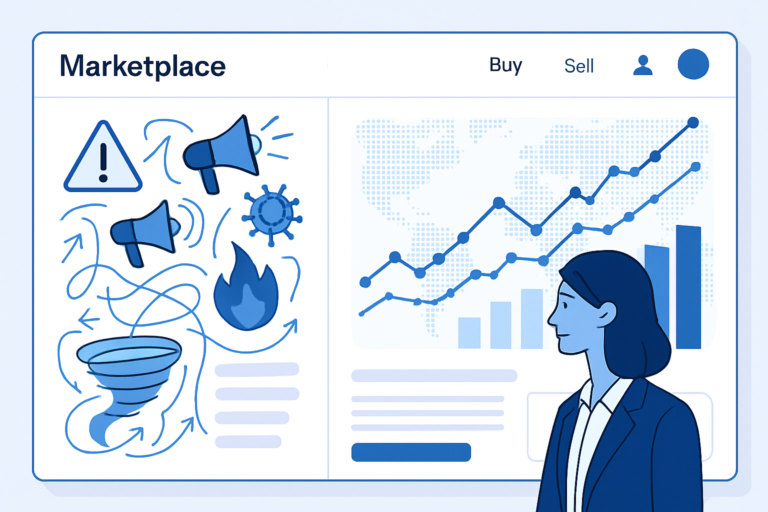
Kalshi revolutionizes finance by letting everyday people trade on the outcomes of global events, transforming uncertainty into a new asset class and democratizing predictions.

Explore the controversial Phantom Time Hypothesis that claims nearly 300 years of history, including the Middle Ages, were fabricated, challenging our understanding of historical timelines.