
Digital Dark Ages: The Lost Data of the Early Internet
Explore the disappearance of early internet data and its impact on cultural memory and digital preservation in the era known as the Digital Dark Ages.


When my grandmother passed away, I remember someone telling me, “Time heals all wounds.” At the time, I nodded politely, but deep inside, I knew they were wrong. Time didn’t erase the pain—it simply taught me how to carry it. That’s the truth many of us live with: grief doesn’t vanish. It embeds itself in us like a tattoo etched not on skin, but on the soul.
Grief isn’t something to move past. It reshapes who you are, altering the emotional landscape of your life in quiet, permanent ways.
Grief doesn’t follow a schedule.
Popular culture often frames grief in stages—denial, anger, bargaining, depression, acceptance—as if you can check them off a list and move on. But real grief is more chaotic, more personal. You might feel all of those stages in a single day, then none the next. You don’t graduate from grief.
It’s not a journey with an endpoint. It’s a reality you learn to live beside.
Grief acts like emotional scar tissue. It doesn’t just fade—it forms new patterns inside you.
You might notice yourself more sensitive to others’ pain. Or, you may feel a dull ache during holidays, birthdays, or random Tuesday mornings when a memory flashes uninvited. That’s not weakness—it’s transformation.
Grief doesn’t take away your strength. It redefines it. The version of you that exists after loss is someone who has survived. That alone is a profound change.
Some scars are visible. Others stay hidden in our minds and hearts.
The loss of someone you love becomes part of your identity. You remember how they laughed, how they made you feel safe, or how they annoyed you in ways you now miss. These memories become emotional tattoos—permanent, sometimes painful, but also beautiful.
You don’t “get over” a tattoo. You carry it and let it speak for you when words fail.
Learning to live with grief means making space for it.
Instead of trying to silence it, people find ways to honor their loss. Maybe it’s lighting a candle. Maybe it’s setting an extra plate at dinner. Maybe it’s just allowing yourself to cry in the car without guilt.
These rituals don’t make the pain go away—but they give it a voice. And when grief is acknowledged, it feels less lonely.
Healing doesn’t mean forgetting.
It means learning to balance the sorrow with moments of peace. You may find joy again, even laughter. But that doesn’t mean the grief is gone. It just means you’ve grown around it. Like tree roots wrapping around a stone, you expand without ever dislodging the pain completely.
An overview of the psychological impact of grief and how it manifests differently for everyone.
A breakdown of the popular grief model and why it’s not always accurate or complete.
A scientific look at how loss affects brain function and emotional regulation.
A digital community offering candid stories, resources, and support for navigating life after loss.
Explore the disappearance of early internet data and its impact on cultural memory and digital preservation in the era known as the Digital Dark Ages.

Kalshi revolutionizes finance by letting everyday people trade on the outcomes of global events, transforming uncertainty into a new asset class and democratizing predictions.
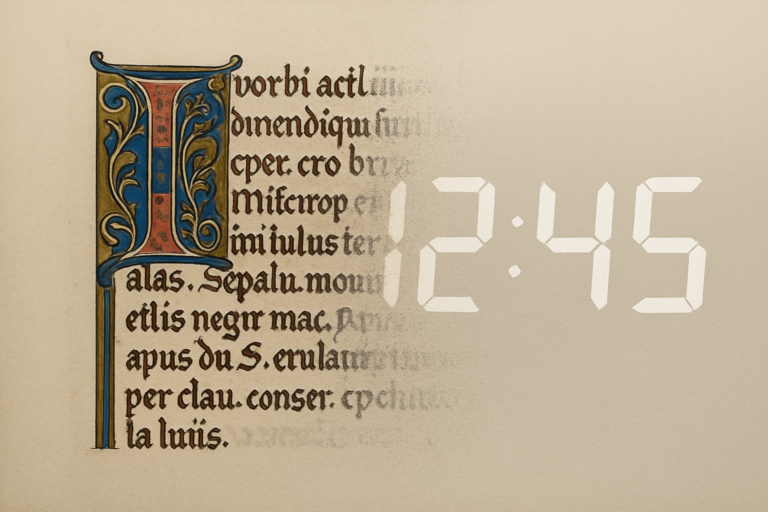
Explore the controversial Phantom Time Hypothesis that claims nearly 300 years of history, including the Middle Ages, were fabricated, challenging our understanding of historical timelines.